 teaclass
How is Tea Flavored?
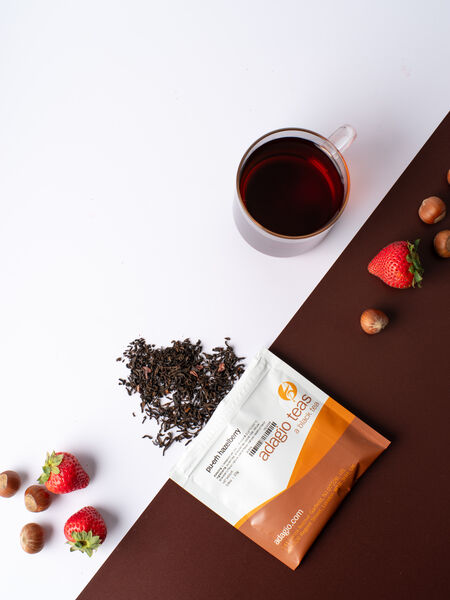
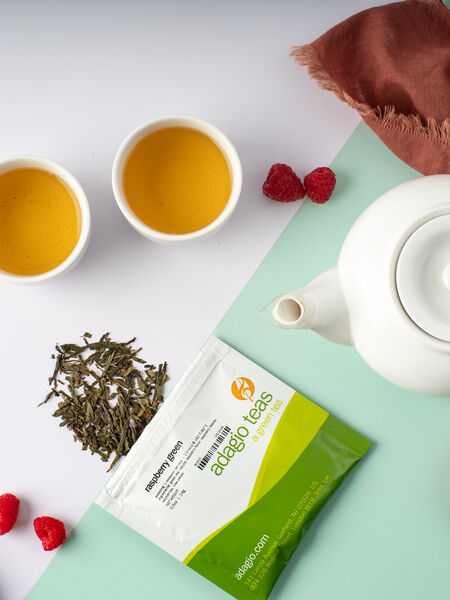
One of the most prized and amazing characteristics of tea is the dizzying array of natural flavors and aromas that can be coaxed from this single leaf by variations in climate, geography and processing. That said, we must be careful to avoid becoming tea snobs. There is nothing unnatural about adding the sweet fragrance of a jasmine blossom to the cup - or any other herb fruit or spice for that matter.
Before we get into how tea is flavored, let's define a few terms:
Inclusions are blossoms, pieces of dried fruit, herbs or spices that are added to the tea leaves for either visual or sensory effect.
Extracts are flavoring agents derived by extracting the essential oils from the leaves, fruits, blossoms, roots or other parts of a plant. These "essential oils" carry the distinctive scents or flavors that we come to expect from that plant. Some extracts can be obtained as simply as pressing a lemon peel to produce oil, while others require much more complex means of extraction, like soaking vanilla beans in alcohol.
Nature-Identical flavoring agents are obtained from natural substances with the aid of chemical synthesis. The end product has the identical chemical structure as the "Natural" flavor but was derived by a chemist. Nature-identical flavors tend to be more stable than purely natural flavoring extracts and are usually significantly less expensive. The vast majority of flavored products are flavored with nature-identical flavors. Unfortunately the FDA does not have a classification for this and they consider nature-identical to be "artificial".
Artificial Flavors are created by altering the chemical structure of a naturally occurring molecule to create a different, more intense, or less expensive flavor. These molecules do not exist in nature. Adagio does not use this type of artificial flavoring agent in any of our blends.
A tea can be flavored through the addition of inclusions, by being coated in extracts, or by being scented. Often more than one method is used. Most inclusions alter the flavor or aroma of the cup in some ways, but are not strong enough to deliver the punch we're looking for. Most "flavored" teas, are flavored with Natural Identical flavoring agents. These flavoring agents are thicker than water but usually thinner than olive oil. The total amount of agent applied depends on the flavor and desired strength, but usually falls between 0.5% and 5% of the weight of the tea being flavored.
To apply an extract to the tea, the flavoring agent is poured or sprayed over the dry leaf and then the leaves are blended (mixed) to ensure an even distribution. Larger companies do this in large rotating drums filled with hundreds of kilograms of tea. Most teas can be flavored (properly absorbing the extract) in under 30 minutes, though some flavors do require significantly longer.
Scented teas, like Jasmine or Lapsang Souchong, derive their flavor and aroma simply from physical proximity to strong flavors. While some jasmine teas may be artificially flavored, "real" jasmine teas are scented with Jasmine blossoms which are then removed (jasmine blossoms have a much shorter shelf life than tea). Lapsang Souchong is scented by being exposed to the smoke of burning pine root.