 teaclass

Drinking Health: The Science of Tea

The first lesson on the health benefits of tea explained that the advantages offered by tea are offered in very similar amounts in all teas derived from the Camellia Sinensis tea plant. While true, most customers are going to be looking for more information. So here are a few more details on the science behind the health benefits of tea:
Polyphenols
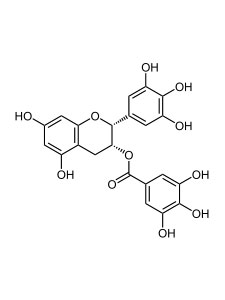
Polyphenols provide a significant portion of the taste and the health benefits found in tea. Polyphenols are a group of chemical substances found in plants. Two classes of polyphenols are tannins (found also in wine) and flavonoids. Tea is rich in flavonoids like catechins. Flavonoids are most commonly known for their antioxidant activity. Catechins like EGCG are found in high concentrations in Green Tea. In fact, it is the catechin EGCG that has put some bottled green tea in the news lately as a way of providing a wealth of health benefits.
Let's try to put all of these scientific terms into context: Catechins are a type of antioxidant found in flavonoids. Flavonoids are a class of polyphenols. These terms are often used interchangeably when discussing the health benefits of tea.
Antioxidants
The human body produces unstable molecules called oxidants, or free radicals. To become stable these oxidants steal electrons from other molecules and thereby damage the cells and can even cause DNA aberrations. Antioxidants bond to oxidants such as free radicals and inhibit the chemical reactions that cause cellular damage. Antioxidants can even target and repair DNA damage. All teas made with Camellia Sinensis tea leaves are high in flavonoids, a powerful class of antioxidants.
Tea also contains other antioxidants, though in these cases the processing of the tea does have an effect on the levels of these antioxidants. Oxidation causes small antioxidant chains to link together and form larger antioxidants. Most of the antioxidants found in black teas are Theaflavins and Thearubigins (which are larger), while Green and White teas primarily contain the smaller Catechins.
L-theanine
L-theanine is an amino acid that occurs naturally in the Camellia Sinensis plant. In fact, unless you take an artificially manufactured dietary supplement, tea is the ONLY way to get L-theanine in your diet. This powerful amino acid boosts alpha wave activity in our brains, which promotes a state of relaxed concentration. Think "quiet alertness". The calming effects of L-theanine actually counteract the extreme highs and jitteriness that can result from excessive caffeine intake.
As with almost all other essential elements in the leaf, L-theanine is the most highly concentrated in the newest growth. A high quality loose leaf tea will contain the most L-theanine, and the very highest levels are usually found in green and white teas.
Will drinking tea cause me to lose weight?
Possibly; tea causes a slight increase in metabolic rates and encourages the body to burn lipids (fats). Tea increases insulin activity thereby moderating blood sugar levels. Most importantly, tea replaces other calorie rich drinks or foods in our diets. The truth is that all of these factors are minor, but combined certainly suggest that tea is PART of a healthy diet.
The USDA said it this way: "...until we do a really comprehensive study in which we have humans drink tea and see whether they lose weight, we can't actually say that green tea makes people lose weight. What we can say is that it raises metabolic rates and increases fat oxidation rates. Those are two things that are predictive of weight loss."
Conclusion
So the question is: what can we state definitively? Tea is nearly calorie-free and rich in antioxidants. Tea is an important part of a healthy diet and lifestyle. While there is not yet enough evidence to make conclusive statements about specific benefits, there are new research reports each week uncovering new potential links between tea consumption and the improvement in, or prevention of, most medical ailments. In a later lesson we'll answer some of the other common questions surrounding the health benefits of tea.